Published by:
CGP EDU Academic Team
Published on: September 13, 2026
A small disc is on the top of a hemisphere of radius R. What is the smallest horizontal velocity v that should be given to the disc for it to leave the hemisphere and not slide down it ? [There is no friction]
A
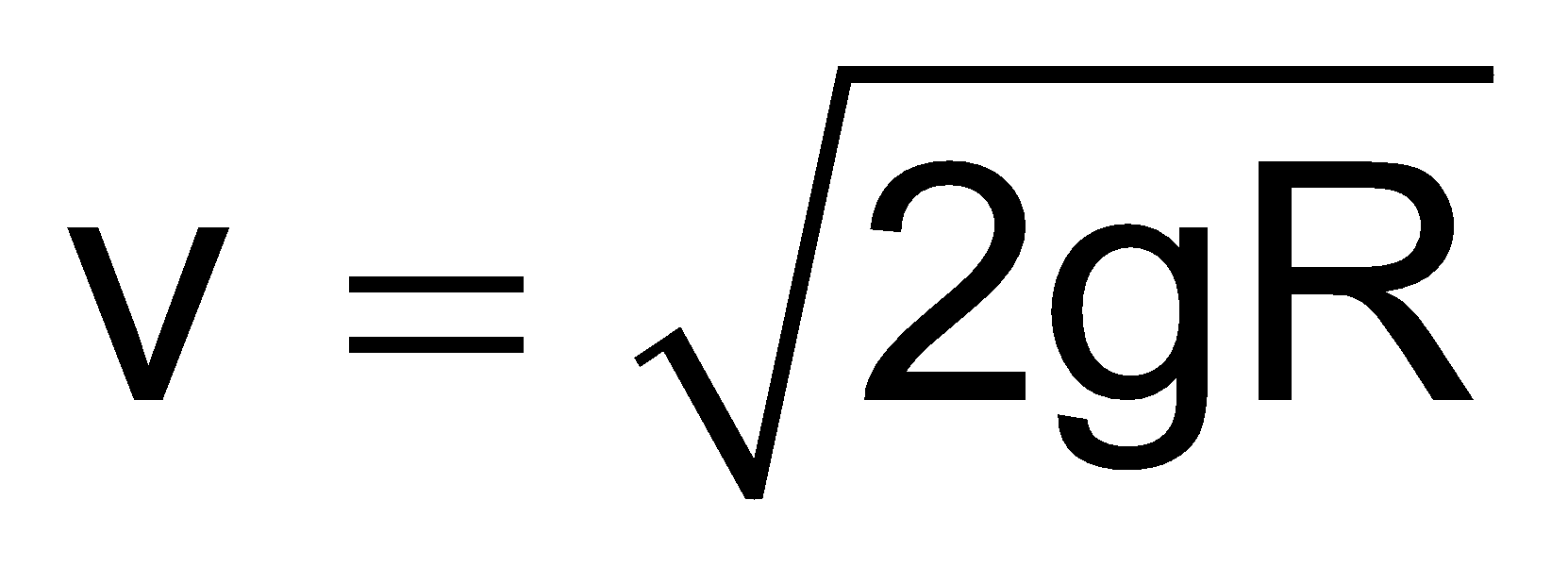
B
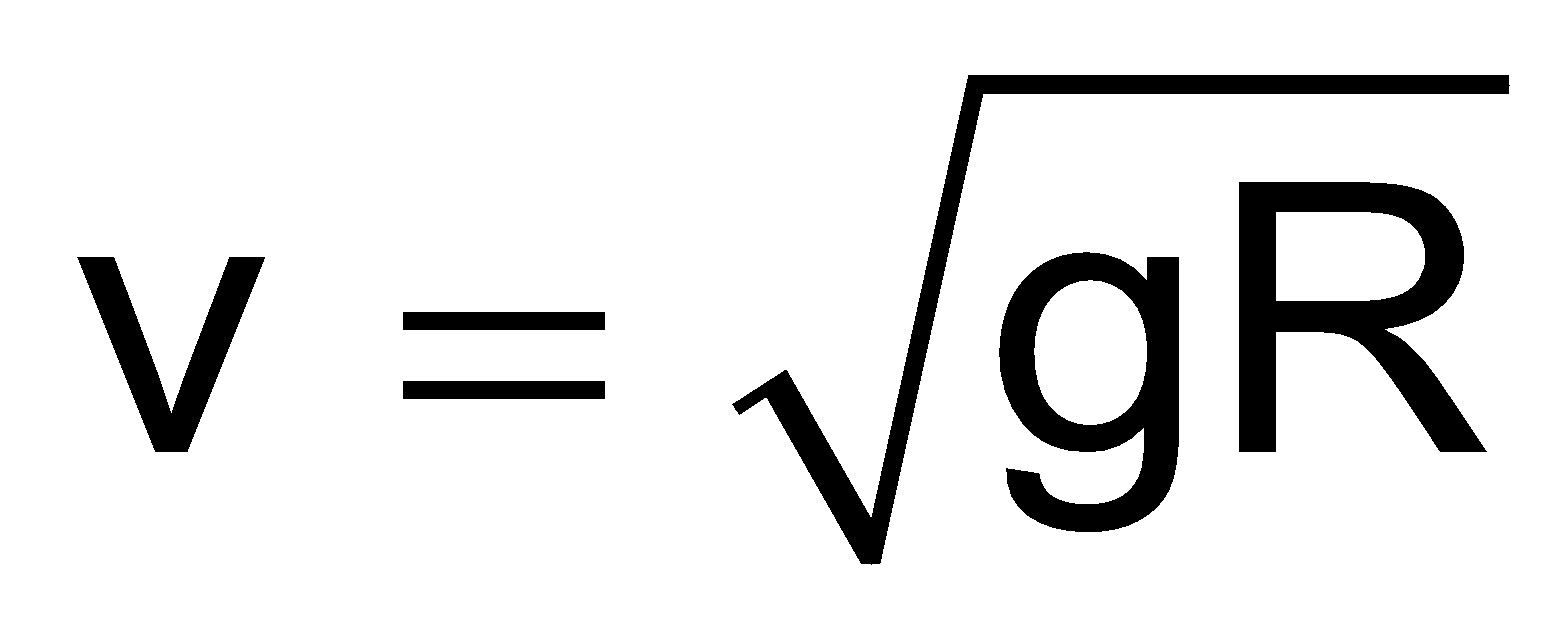
C
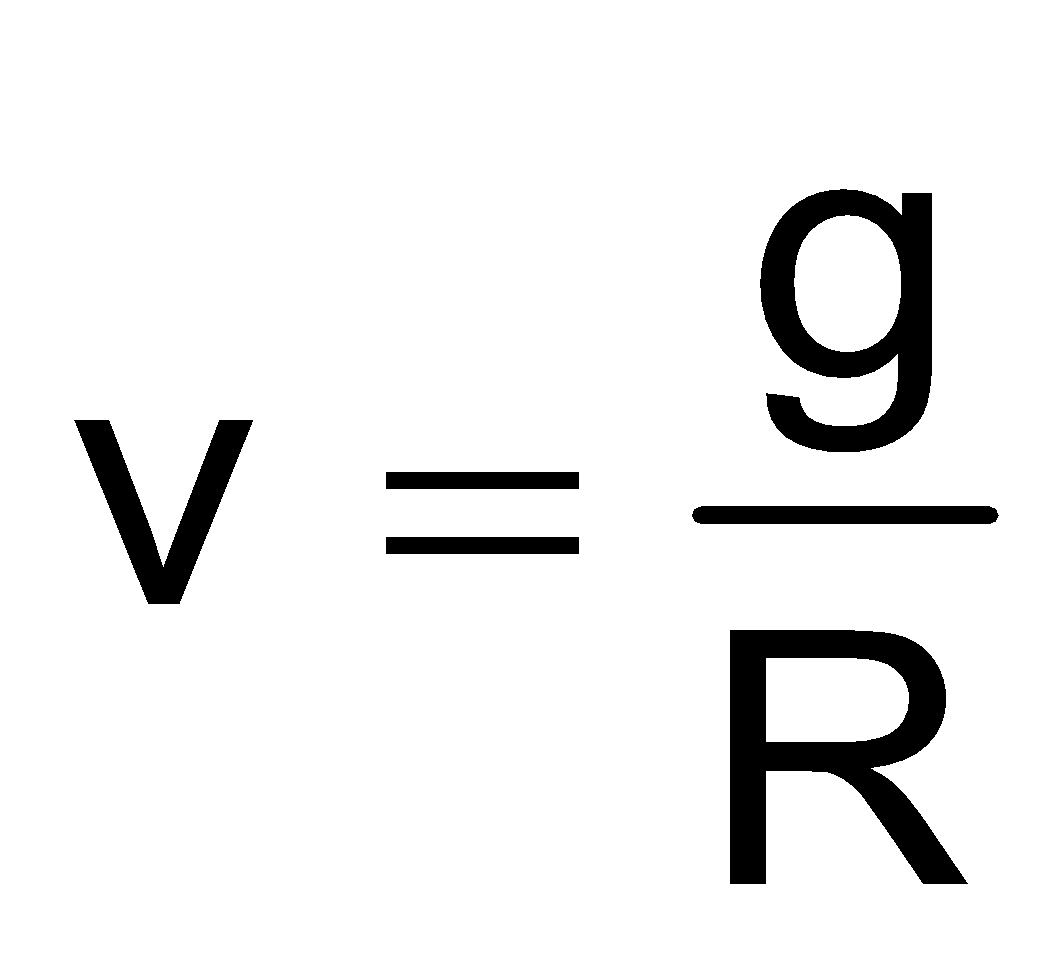
D
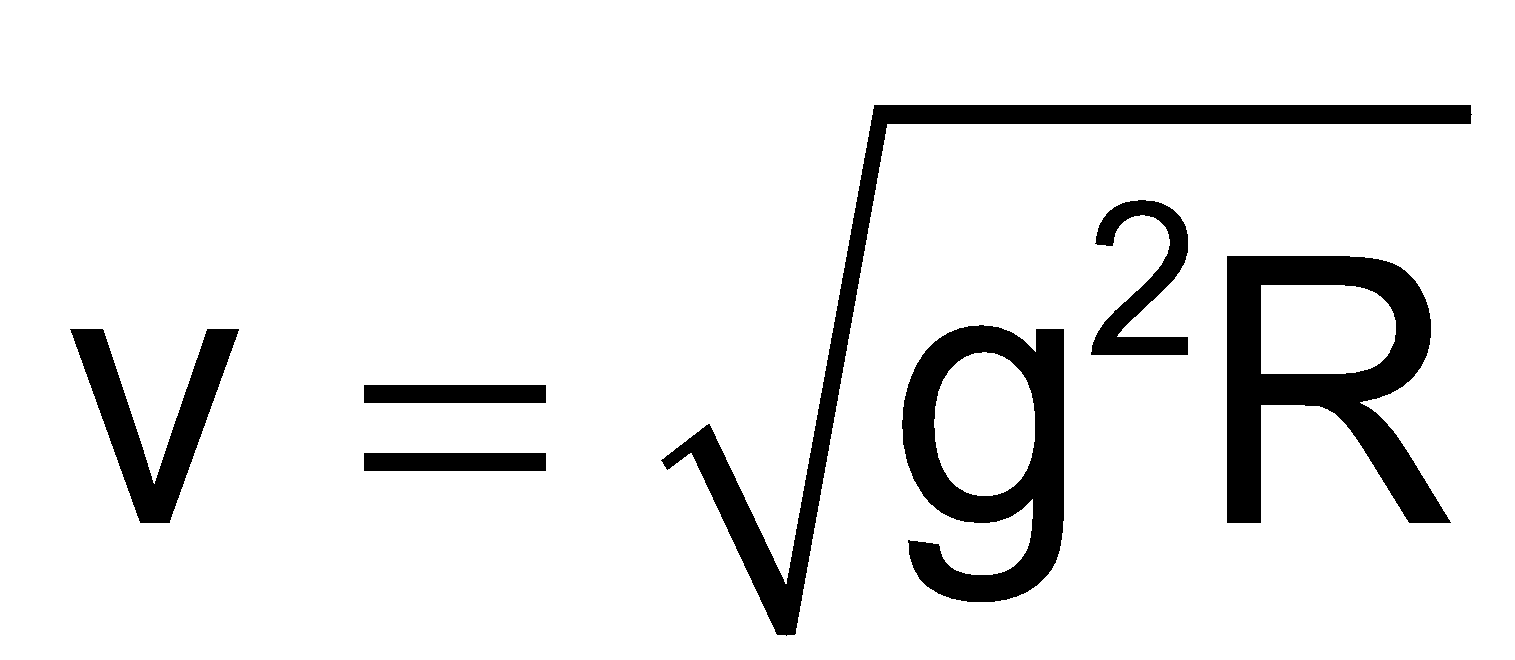
Text Solution
Verified by ExpertsThe correct answer is:
C
To determine the minimum horizontal velocity \( v \) required for the disc to leave the hemisphere, we first analyze the forces acting on the disc as it moves along the surface of the hemisphere.
1. **Centripetal Force Requirement:** For the disc to stay in circular motion, the centripetal force must be provided by the component of gravitational force acting on the disc at the point of leaving the hemisphere.
2. At the point of leaving, we can set the height of the disc as \( h = R \cos \theta \) and the radius as \( R \), where \( \theta \) is the angle from the vertical. The centripetal force is given by \( \frac{mv^2}{R} \), and the gravitational force component acting down the surface of the hemisphere is \( mg \cos \theta \).
3. Setting these equal for the point just before leaving gives us:
$$ \frac{mv^2}{R} = mg \cos \theta $$
4. Simplifying, we have:
$$ v^2 = gR \cos \theta $$
5. To leave the hemisphere, we require that the normal force becomes zero, hence the minimum condition is at \( \theta = 0 \), where \( \cos 0 = 1 \).
6. Plugging this into our equation gives:
$$ v^2 = gR $$
$$ v = \sqrt{gR} $$
Thus, the smallest horizontal velocity \( v \) that should be given to the disc for it to leave the hemisphere is given by Option C: \( \sqrt{gR} \).
1. **Centripetal Force Requirement:** For the disc to stay in circular motion, the centripetal force must be provided by the component of gravitational force acting on the disc at the point of leaving the hemisphere.
2. At the point of leaving, we can set the height of the disc as \( h = R \cos \theta \) and the radius as \( R \), where \( \theta \) is the angle from the vertical. The centripetal force is given by \( \frac{mv^2}{R} \), and the gravitational force component acting down the surface of the hemisphere is \( mg \cos \theta \).
3. Setting these equal for the point just before leaving gives us:
$$ \frac{mv^2}{R} = mg \cos \theta $$
4. Simplifying, we have:
$$ v^2 = gR \cos \theta $$
5. To leave the hemisphere, we require that the normal force becomes zero, hence the minimum condition is at \( \theta = 0 \), where \( \cos 0 = 1 \).
6. Plugging this into our equation gives:
$$ v^2 = gR $$
$$ v = \sqrt{gR} $$
Thus, the smallest horizontal velocity \( v \) that should be given to the disc for it to leave the hemisphere is given by Option C: \( \sqrt{gR} \).
Prepare Smarter with CGP Edu
Get practice questions, solutions, and test series in one place.
Write a Review
Share your experience with this question and solution.
Commentary
Send your comment, doubt, correction, or feedback to admin.
Similar Questions
Explore conceptually related problems
A mosquito is sitting on an L.P. record of a gramophone disc rotating on a turn table at 33 revolu…
A weightless thread can support tension upto 30 N. A stone of mass 0.5 kg is tied to it and is revo…
A small body of mass m hangs at one end of a string of length a, the other end of which is fixed. I…
A body attached to a string of length describes a vertical circle such that it is just able to cro…
A train A runs from east to west and another train B of the same mass runs from
west to east at the…
instant, then the radius of curvature of the path of the particle at that instant is directly
propo…